Why Are Many Companies Investing in Promotional Products Again in 2026?
Have you noticed how many advertisements people see every single day? From Facebook, TikTok, and YouTube ads to Google Ads, brands are competing intensely for consumers’ time and attention. As a result, many businesses are facing the same challenge: advertising costs are increasing, yet brand recall is getting weaker.
That is why many companies are turning their attention back to promotional products in 2026—especially products that are practical and capable of creating long-term brand recall. Sometimes, a single tumbler or tote bag can leave a stronger impression than an online advertisement that people scroll past within three seconds.
This is also why choosing the right promotional products supplier has become increasingly important for businesses that want to create high-quality merchandise, improve brand recall, and build stronger customer engagement in 2026.
In this article, we will explore which promotional products are trending in 2026, what separates ordinary giveaways from products that truly make people remember a brand, what companies should look for in a supplier, and the key perspectives many businesses often overlook when creating premium merchandise.
Why Are Promotional Products Still Important in the Digital Marketing Era?
Many people assume that in the age of AI and Digital Ads, promotional products would become less important. However, the reality is quite the opposite. According to data from the Advertising Specialty Institute, consumers tend to remember brands through promotional products for a much longer period compared to seeing an online advertisement only once.
Many successful brands now partner with a professional promotional products supplier to create merchandise that customers genuinely want to keep and use regularly.
Key Reasons:
- People can physically “touch” the product
- Products are used repeatedly every day
- Brands gain continuous visibility
- Products are more likely to be shared or used in public spaces
A simple example: imagine a real estate company giving insulated tumblers to visitors during a project launch event. If customers use the tumbler every day at the office, the brand receives repeated organic exposure from people around them without needing to pay for additional impressions. This is something digital ads often struggle to achieve.
Many companies now work closely with an experienced promotional products supplier to develop products that customers genuinely want to use in their daily lives while improving long-term brand recall and customer engagement.
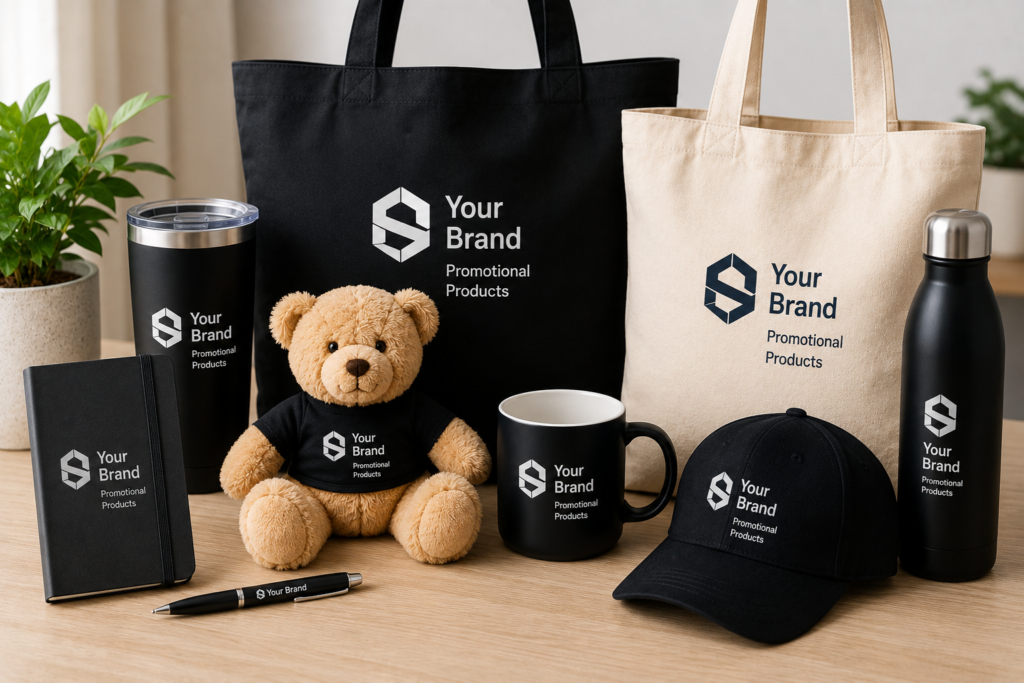
Trending Promotional Products in 2026 Recommended by Promotional Products Suppliers
Trending Promotional Products in 2026 Recommended by Promotional Products Suppliers
In the past, when people talked about corporate promotional products, they often thought of pens, keychains, document folders, or brochures handed out at events. The problem was that many of these items ended up left in cars, stored in drawers, or never actually used.
In 2026, the concept of promotional products has changed significantly. Leading promotional products suppliers now understand that the best giveaway is not the product distributed in the largest quantity, but the product customers genuinely want to continue using in their daily lives.
This is why many companies are investing in higher-quality products while reducing the number of items distributed. The goal is to create a stronger brand experience rather than simply focusing on volume.
One clear example is how many brands are moving away from low-cost giveaways toward products customers are happy to use every day. Even though the cost per item is higher, these products create much stronger long-term brand recognition and customer engagement.
Today, experienced promotional products suppliers also help businesses develop products that align with branding strategies, social media trends, customer lifestyles, and long-term marketing goals.
Why Have Tote Bags Become a Moving Advertisement?
In the past, tote bags were often viewed as inexpensive freebies at events. Today, however, they have evolved into lifestyle products that many people use daily, especially among:
- Working professionals
- Students
- Café lovers
- Eco-conscious consumers
- Younger urban audiences
What has changed most is the design approach. Brands that understand modern promotional products no longer print oversized logos across the entire bag like they did in the past. Instead, they focus on more fashionable concepts such as:
- Minimal logos
- Neutral color palettes
- Attractive typography
- Fashion-inspired designs
As a result, customers feel like they are carrying a stylish bag—not an advertisement.
Why Are Tech Accessories Growing Rapidly in the B2B Market?
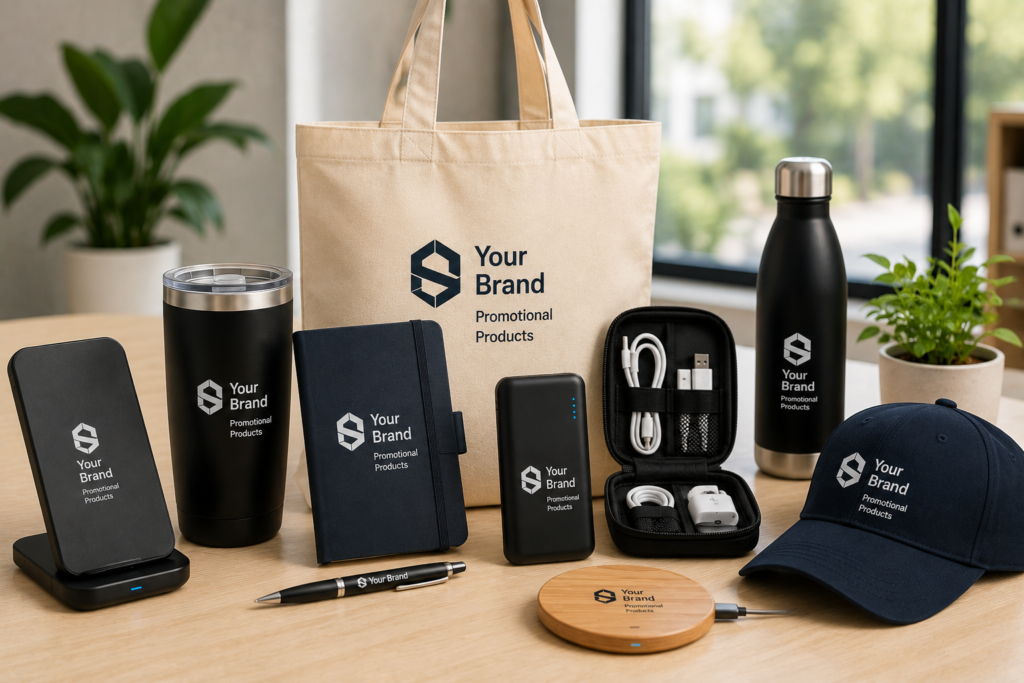
As hybrid work and work-from-anywhere lifestyles continue to grow, tech accessories have become one of the fastest-growing categories in the corporate promotional products market.
Popular products include:
- Wireless Chargers
- Power Banks
- Laptop Stands
- USB Hubs
- Ergonomic Mouse Pads
- Cable Organizers
- Webcam Lights
These products support work, online meetings, travel, and everyday laptop and smartphone usage. They are especially popular among tech companies, startups, finance firms, creative agencies, and SaaS businesses that want to position themselves as modern brands.
How Should Companies Choose a Promotional Products Supplier?
This is one of the biggest mistakes many companies make when ordering promotional merchandise. Many organizations focus only on comparing:
- Lower prices
- Low MOQ
- Fast delivery
While this may seem cost-effective in the short term, the “lowest cost” can eventually become the “highest branding cost” in the long run. Many companies repeatedly encounter the same issues, and when promotional products become items that nobody wants to use, brands immediately lose the opportunity to build brand recall.
So, what makes a good supplier?
1.Understanding Branding Beyond Manufacturing
A good supplier should not simply ask: “Where should we print the logo?”
They should also help businesses think further about:
- Which colors match the brand identity
- Which materials create a premium image
- Which products fit the target audience
- How the packaging should be designed
- Which printing techniques make the logo look best
2.Real Experience with Corporate Projects
B2B projects are very different from general orders because they involve more complex details such as:
- Event deadlines
- Corporate Identity (CI) Brand Guidelines
- Packaging for executive gifts
- Product quality consistency
- Delivery scheduling
- Inventory management
A supplier experienced in corporate projects will understand these requirements and help reduce operational issues during production.
3.Product Quality That Reflects Brand Value
One of the biggest mistakes companies make is selecting products based solely on price. In reality, the quality of promotional products directly affects how customers perceive the brand.
For example:
- A cheap tumbler that loses temperature quickly may create a negative experience
- A low-quality tote bag may tear after only a few uses
- Poor logo printing can make the brand appear unprofessional
This is why leading companies are increasingly willing to invest in better-quality promotional products because they understand that these products represent the brand itself.
4.The Ability to Provide Creative Ideas
Modern promotional products are no longer just about placing logos on products. Strong suppliers should also help businesses generate ideas for:
- Seasonal campaigns
- Event concepts
- Limited-edition collections
- Influencer collaborations
- Packaging experiences
- Social-media-friendly product designs
These ideas help transform ordinary giveaways into memorable brand experiences.
What Are Many Companies Still Overlooking About Promotional Products?
One important thing many businesses still overlook is that promotional products are not just “free giveaways.” In reality, they are physical marketing tools capable of building emotional connections between brands and consumers.
The difference between ordinary giveaways and effective promotional products often comes down to one simple question:
“Would customers still want to use this product even if the logo were removed?”
If the answer is yes, that product has a much higher chance of becoming part of the customer’s daily life—and every time they use it, the brand gains repeated exposure naturally.
This is why successful brands today focus not only on distributing products but also on creating products that customers genuinely value.
Conclusion
In 2026, promotional products are no longer just low-cost freebies used at events. They have evolved into an important branding tool that helps businesses create long-term brand recall in an increasingly competitive digital world.
Whether it is tumblers, tote bags, or tech accessories, the products that perform best are the ones customers genuinely want to use in their everyday lives.
Most importantly, choosing the right promotional products supplier is not simply about finding the cheapest option. It is about finding a partner who understands branding, customer behavior, product quality, and long-term brand value.
Because in the end, the best promotional product is not the one distributed the most—it is the one people remember and continue using long after receiving it.
Q&A About Promotional Products
1. Are Promotional Products Still Suitable for Small Businesses?
Absolutely. Promotional products are especially effective for businesses that want to build strong local brand awareness, such as cafés, clinics, real estate companies, or B2B businesses. Premium merchandise helps customers remember a brand more easily and creates long-term visibility.
2. Which Promotional Products Offer the Best Value?
In general, products that people use every day tend to provide the best return on investment. Examples include:
- Tumblers and insulated drinkware
- Tote bags
- Technology accessories
These products create repeated brand exposure because customers continue using them regularly in daily life.
3. Should Businesses Choose a Supplier Based Only on Price?
Not recommended. Product quality directly affects brand perception. Cheap products with poor quality can create a negative impression of the company. A reliable supplier should provide good quality, strong branding knowledge, and consistent production standards—not just low pricing.
4. Is Sustainability Really Important in 2026?
Yes, very important. Sustainability has become a major factor for modern consumers and organizations, especially younger audiences. Many companies now prefer recyclable or eco-friendly materials to reflect a socially responsible brand image and support ESG initiatives.
5. Can Promotional Products Be Measured for ROI?
To some extent, yes. Businesses can measure:
- Leads generated from events
- Customer engagement
- Brand interactions
However, the biggest value of promotional products usually comes from long-term benefits such as Brand Recall, customer loyalty, and stronger customer relationships rather than immediate short-term conversions.
Disclaimer
This article is created for educational, informational, and marketing analysis purposes only. Some information may change depending on market conditions, consumer trends, and individual business strategies. Businesses should conduct additional research and consult appropriate professionals before making commercial decisions.