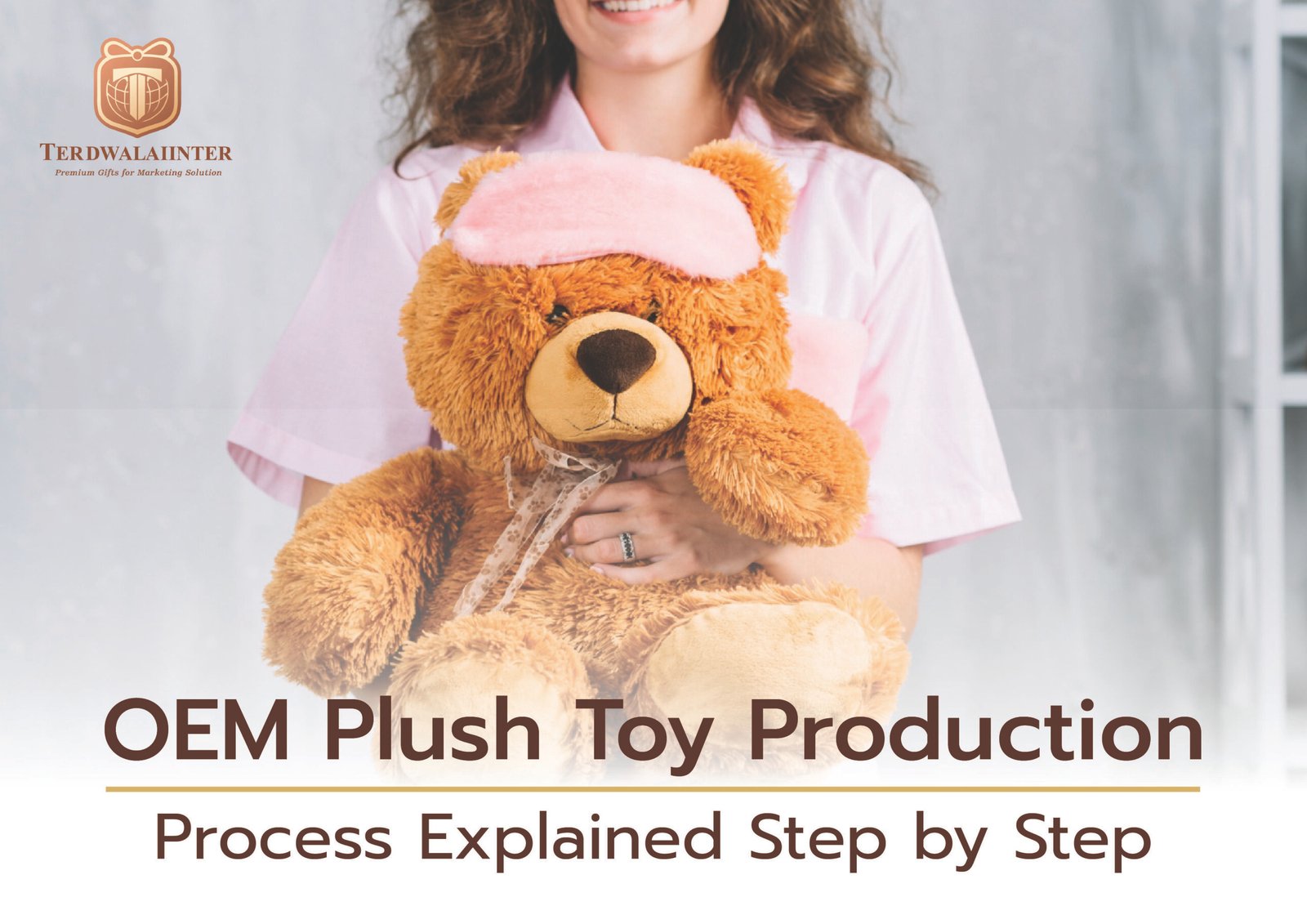
Why Do Many Brands Want to Produce Plush Toys but End Up Facing Budget Overruns, Endless Revisions, and Products That Don’t Match the Original Design?
Many businesses start with a simple idea: creating their own character plush toy to promote a brand, produce premium merchandise, or sell as fan-made products. However, once they enter the actual manufacturing stage, they quickly realize that OEM plush toy production involves far more detail than expected — from fabric selection and pattern development to quality control before delivery.
This article explores the complete process used by a custom plush toy manufacturer, from the initial concept to the final product. It also explains the aspects many businesses overlook, including costs, quality, production timelines, and common mistakes in OEM plush toy manufacturing.
A reliable plush toy manufacturer not only helps businesses produce high-quality products, but also supports better design planning, cost control, and smoother production workflows for long-term brand success.
Why Do So Many Businesses Choose a Custom Plush Toy Manufacturer?
Emotional Branding effectively. Plush toys create emotional connections between brands and customers more easily than traditional advertising materials. Customers may forget brochures or discount coupons, but they often remember a brand mascot instantly when they see it again.
For example:
- Cafés create signature mascot plush toys
- Real estate companies give away premium plush toys at project launches
- Influencers sell character plushies to fans
- Children’s hospitals use plush toys to help patients feel more relaxed
What makes this even more interesting is that in the TikTok and Instagram era, plush toys are highly “photogenic” products that are more likely to be shared online compared to regular promotional merchandise. Many brands therefore see plush toys not simply as giveaways, but as long-term Brand Identity assets and part of their OEM plush toy production strategy.
According to reports from The Toy Association, the toy and character merchandise industry continues to grow steadily, especially in collectible and character merchandise categories driven by social media, fandom culture, and the expanding Creator Economy worldwide.
However, not every business necessarily needs a plush toy. If a brand has no strong character identity or no long-term plan for using mascot products, plush toys may simply become an unnecessary expense. This is why choosing a custom plush toy manufacturer that understands both production and branding strategy is far more important than choosing the cheapest factory available.
A reliable OEM plush toy manufacturer can also help businesses reduce production mistakes, improve quality control, optimize manufacturing costs, and maintain consistent product standards during mass production.
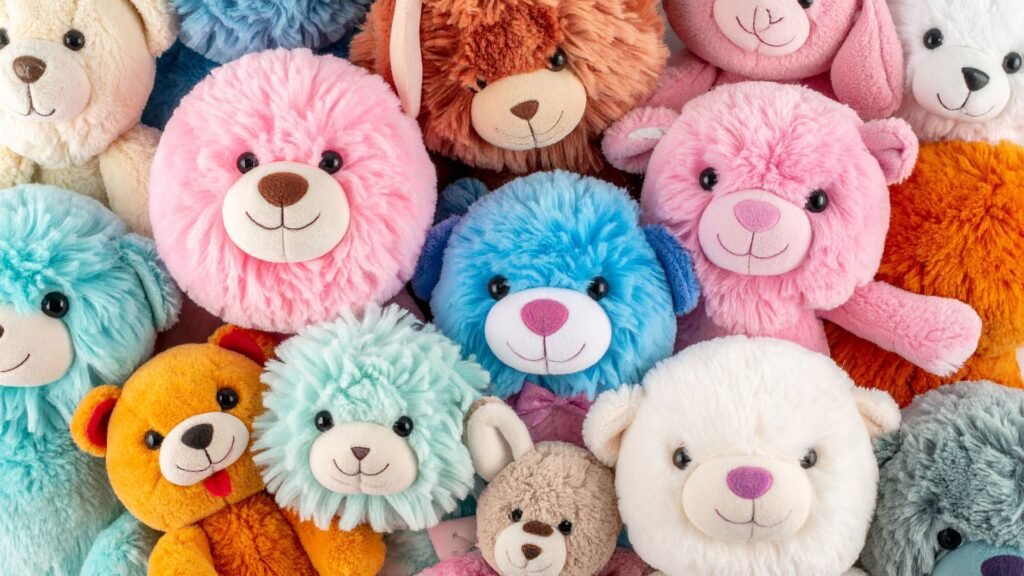
How Does OEM Plush Toy Production Begin?
Many people think OEM Plush Toy Production is simply: “Send design → Factory produces → Receive products.”
In reality, the entire process is far more complex, especially during the early stages, which form the foundation of the entire project.
If mistakes happen during the design phase, material selection, or cost estimation, problems often spread into the production stage immediately — leading to budget overruns, delays, or products that fail to meet expectations.
This is why experienced custom plush toy manufacturer place great importance on the pre-production process.
What Is the First Step in OEM Plush Toy Production?
Before production begins, most custom plush toy manufacturers conduct a Feasibility Review to evaluate whether the design is suitable for real-world manufacturing.
In simple terms, the factory evaluates:
- Whether the design can realistically be produced
- Estimated production costs
- Which areas should be adjusted before sampling
- Which materials are most suitable
- Whether quality can be maintained during mass production
This stage is extremely important in OEM plush toy production because many designs that look attractive in 2D illustrations may not work well in real-world mass production.
An experienced plush toy manufacturer can help brands simplify unnecessary design elements, optimize material selection, and reduce future production issues before the sampling process even begins.
Why Does the Initial Design Affect the Entire Project Cost?
A common misunderstanding among new brand owners is:
“Larger plush toys always cost more.”
In reality, OEM plush toy costs are often determined more by complexity than size.
For example:
A 20 cm plush toy using two fabric colors may cost less than a 12 cm toy with:
- Detailed embroidery
- Eight fabric colors
- Multiple accessories
- Complex shapes
Factories usually estimate costs based on:
- Number of fabric pieces to cut
- Pattern complexity
- Number of colors used
- Embroidery points
- Sewing time per piece
- Post-production QC requirements
The more detailed the design, the higher the labor cost becomes.
What Happens After the Factory Receives the Design?
Once the factory receives the reference image or design file, the process generally follows these stages:
1. Design Analysis
The factory team evaluates:
- Difficult production areas
- Potential QC risks
- Which details should be simplified
This step is extremely important because some designs may look beautiful but are impractical to manufacture.
2. Material Selection
The factory recommends suitable fabrics such as:
- Velboa
- Minky
- Fleece
- Cotton Blend
Each material offers different textures and production costs.
For example, brands seeking a premium appearance often choose Minky fabric because it feels softer and looks more luxurious than Velboa.
3. Pattern Making
This stage transforms a 2D design into the actual structure of the plush toy.
Pattern designers must consider:
- Where stitching should be placed
- Where additional stuffing is needed
- Whether the head and body weight are balanced
- Whether the plush toy can sit upright
This stage requires significant expertise because it directly affects the toy’s final shape.
4. Prototype Development
After the pattern is completed, the factory produces the first physical sample.
This is one of the most important stages because brand owners finally see how different the real product may look compared to the original concept.
Common problems discovered during prototyping include:
- Colors appearing too dark
- Oversized heads
- Logos being too small
- Uneven body proportions
- Plush toys unable to stand properly
A good factory will suggest solutions proactively instead of waiting for the customer to identify problems themselves.
What Materials Are Used in Plush Toy Manufacturing?
Materials strongly affect both product pricing and perceived quality in OEM plush toy production. Even if two plush toys have identical designs, different fabrics and stuffing materials can instantly change how customers perceive the final product.
Professional custom plush toy manufacturers carefully select materials based on softness, durability, safety, branding goals, and production budget.
Many businesses focus only on appearance, but experienced plush toy manufacturers also consider:
- Texture
- Durability
- Safety
- Real production costs
Popular Fabrics Used in Plush Toy Manufacturing
| Fabric Type | Main Advantage | Best For |
| Velboa | Budget-friendly | Promotional products |
| Minky Fabric | Extremely soft | Premium plush toys |
| Fleece | Warm texture | Large plush toys |
| Cotton Blend | Breathable | Minimalist designs |
In addition to outer fabrics, stuffing materials also play an important role in OEM plush toy manufacturing. Most factories use polyester fiber filling because it is lightweight, resilient, and helps plush toys maintain a soft and balanced shape.
Reliable custom plush toy manufacturers also follow international textile safety standards to ensure product quality and customer safety.
According to OEKO-TEX Standard 100, factories using certified textile materials can reduce risks related to chemical residues, especially for children’s plush toys and promotional merchandise.
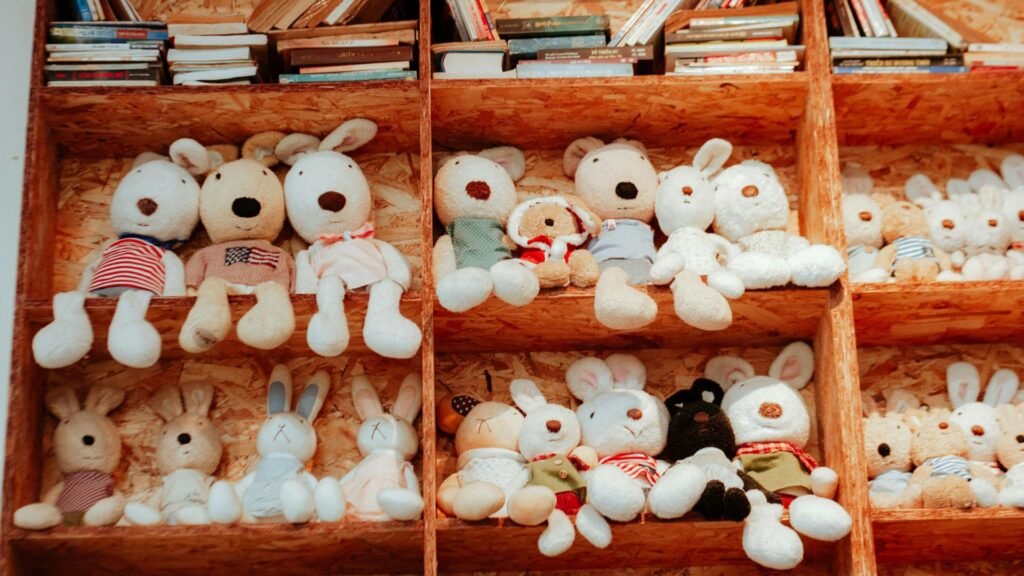
What Standards Should a Good Factory Have?
Choosing a custom plush toy manufacturer should not be based solely on low prices or fast production times. Plush toys affect:
- Brand image
- Product safety
- Customer experience
- Long-term product quality
Factories with organized systems can significantly reduce future problems such as:
- Incorrect colors
- Poor QC
- Delayed production
- Products not matching the approved sample
These issues are especially common for new OEM brands.
Questions to Ask Before Choosing a Custom Plush Toy Manufacturer
- Do they have real production experience?
- Do they have an in-house design team?
- Are their materials certified?
- Do they conduct QC before shipment?
- What types of brands have they worked with?
- Do they support OEM and ODM services?
- Can they create prototypes before mass production?
- Do they provide updates during production?
Experienced factories can also provide valuable technical advice, such as:
- Reducing costs without lowering quality
- Simplifying patterns for easier sewing
- Recommending materials that match the budget
- Identifying designs that may not work in production
- Suggesting optimal sizes for shipping and packaging
Mistakes Many Brands Overlook
Some brands choose the cheapest factory available, only to later discover:
- Poor embroidery quality
- Fabric colors different from the approved design
- Uneven stuffing
- Weak seams that tear easily
In the end, they spend additional time and money fixing production problems — often resulting in higher total costs than choosing a professional factory from the beginning.
In contrast, experienced OEM manufacturers focus on preventing problems before they happen instead of fixing them afterward.
Conclusion
OEM plush toy manufacturing involves far more than simply turning a design into a finished product. Every stage — from concept development, material selection, and pattern making to prototype testing and quality control — directly impacts the final product’s quality, cost, and brand value.
A reliable custom plush toy manufacturer does more than produce plush toys; they help brands solve production challenges, optimize designs, control costs, and ensure the final product truly reflects the brand’s identity. Experienced manufacturers can also help reduce common issues in OEM plush toy production such as inconsistent quality, delayed production, or products that differ from the original design.
For businesses planning to create their own plush toy line, choosing the right manufacturing partner, developing a proper prototype before mass production, and focusing on long-term product quality rather than the cheapest price are essential steps toward building a successful and marketable product.
Q&A About OEM Plush Toy Manufacturing
Q1: What is the minimum MOQ for OEM plush toy production?
Most factories start at around 50–300 pieces depending on the factory, toy size, and design complexity.
Q2: How long does production usually take?
Typically around 30–60 days, including prototype development and mass production.
Q3: Can I produce a plush toy without a finished drawing?
Yes. Many factories have design teams that can help develop ideas from sketches or reference images.
Q4: Which material is best for premium plush toys?
Minky Fabric is one of the most popular premium materials because of its softness and luxurious appearance.
Q5: Is it better to manufacture in Thailand or China?
It depends on budget, production volume, and communication convenience. For new brands, Thai factories may provide easier quality control and communication.
Disclaimer
This article is intended for informational and business analysis purposes regarding OEM plush toy manufacturing. Some information may vary depending on factory conditions, materials, and actual production processes. Businesses should always verify details directly with manufacturers before making business decisions.